
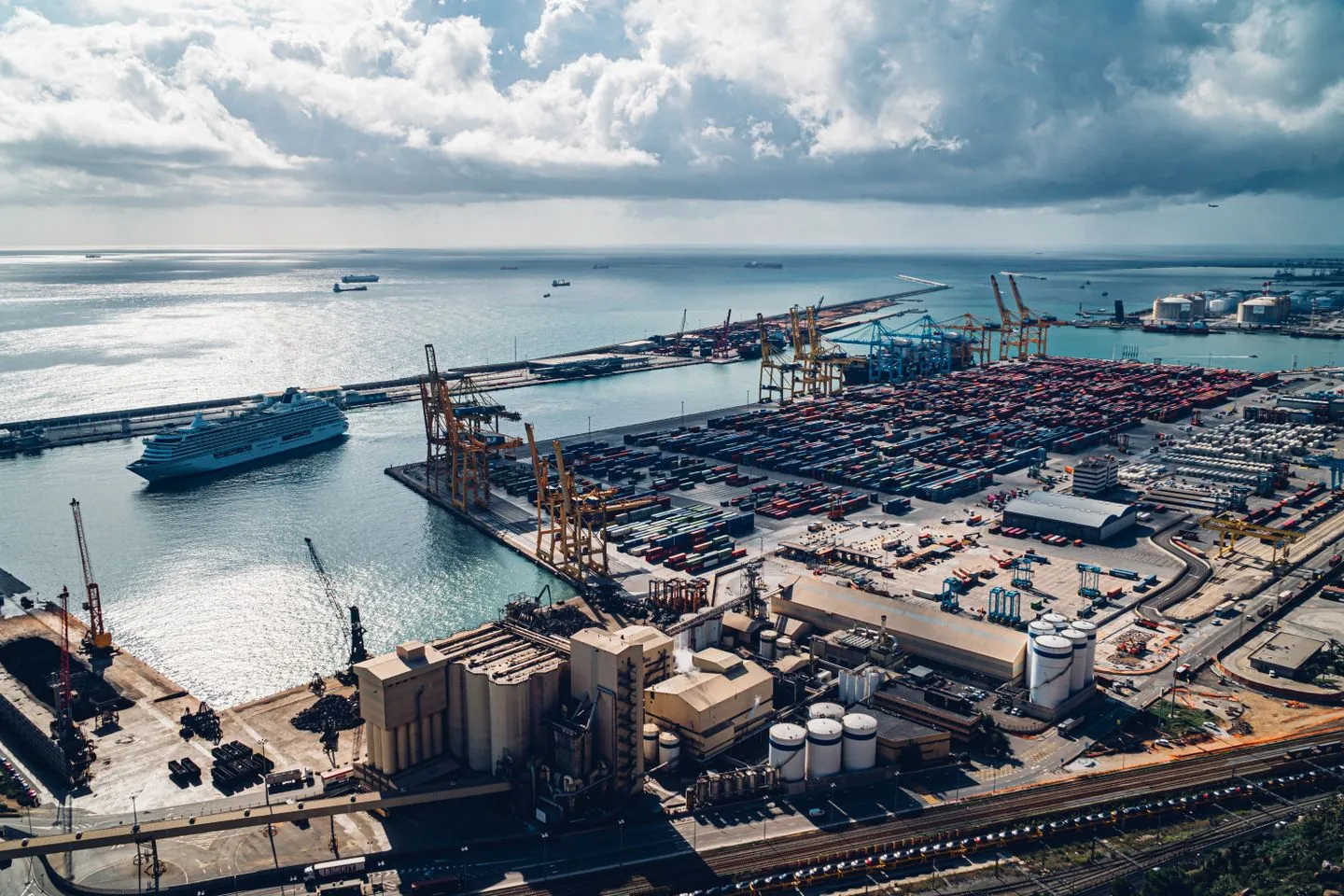
An Italian company is waiting for a spare part to bring a production line back online. The supplier shipped it from the Gulf and the end customer wants a date. Then comes news of an attack near the Strait of Hormuz. Before changing the production schedule or paying for a second shipment, the company needs to know where the part is, which vessel is carrying it and which legs of the journey remain.
On 15 November 2026, UK Maritime Trade Operations (UKMTO) issued Warning 205-26. It relayed a report from Indian maritime authorities about an attack on an eastbound tanker in the Gulf before it entered the Strait of Hormuz. The warning dates the incident to 15 November and says the time had yet to be confirmed. The crew was reported safe. When the warning was issued, the extent of the damage and any environmental impact were still unknown. Anadolu reported the warning that day. On 14 November, Reuters had reported statements from Iranian authorities about tankers allegedly striking mines and said it could not immediately verify those claims. The 15 November warning does not identify the ship or attribute the attack to a mine. The sources consulted do not establish a link between the reports. 1, 2, 3
Ask for the last confirmed movement
Open the booking or bill of lading and retrieve the shipment reference. For containerized cargo, have the container number to hand as well. Ask the freight forwarder or carrier for the last confirmed movement, including the date and time. Has the cargo been loaded, is it waiting at the terminal, or has it already been unloaded for transshipment? Ask which vessel is actually assigned to the relevant leg and request its IMO number if available. This is particularly useful if the booking named a provisional vessel and the carrier has since replaced it.
A point on a map shows the vessel’s recorded position at the time of the signal. To establish whether the goods were on board at that time, get confirmation about the shipment from the carrier. Ask which port the cargo still needs to call at and when the next verifiable update is expected. If the part has already been unloaded at a transshipment port, the critical detail may be whether it is confirmed on the next vessel. Keep the responses and their timestamps so you can reconstruct what you knew when deciding to notify the customer or reschedule the work.
Ask for a complete itinerary before accepting a diversion
If the forwarder proposes a different port, request a written quote through to the place of delivery. How long will the onward transfer take? Who takes custody of the cargo while it waits? Which storage or inland transport costs still need to be priced? Then compare the new estimated arrival with the day the part is actually needed. The earliest departure on the schedule may leave the cargo waiting longer for a connection.
Give your broker or insurer the updated route, including stops and transshipment, and ask for written confirmation of the terms that apply to the cargo. Check whether you need to notify the insurer before changing the route and how the policy treats war risks, intermediate storage and delay. The Lloyd’s Market Association publishes areas the Joint War Committee considers to pose higher risks to vessels. For a decision about an individual shipment, obtain confirmation for its policy and revised itinerary. 4
If the itinerary remains uncertain, agree a decision deadline with production and procurement. For example, if the carrier cannot confirm loading on the connecting vessel by Tuesday, ask for a quote to fly only the urgent component. That gives you an estimate of the alternative before a production stoppage becomes unavoidable.
GRISK can help your business compare official warnings and other accessible sources along the route, recording the findings and the information still needed from the carrier.
Sources and editorial note
The spare-part example is hypothetical. UKMTO documents the report, which Anadolu covered. Reuters attributes the statements about the 14 November incidents to Iranian authorities. The checks on shipments, diversions and insurance policies are practical guidance from the editorial team.
- UK Maritime Trade Operations, «UKMTO Warning 205-26 – Attack», 15 November 2026. https://www.ukmto.org/-/media/ukmto/products/20261115-ukmto_warning-205-26.pdf?rev=b307e1c9006b48de8d3836cda746b127
- Serdar Dincel, Anadolu, «Tanker comes under attack in Gulf waters: UK maritime agency», 15 November 2026. https://www.aa.com.tr/en/middle-east/tanker-comes-under-attack-in-gulf-waters-uk-maritime-agency/4125797
- Reuters, «Iran’s navy says three tankers on fire after hitting mines in Hormuz», 14 November 2026. https://www.reuters.com/world/middle-east/irans-navy-says-oil-tanker-fire-after-hitting-mine-hormuz-2026-11-14/
- Lloyd’s Market Association, «Listed areas», accessed on 16 November 2026. https://lmalloyds.com/specialist-areas/underwriting/listed-areas/