
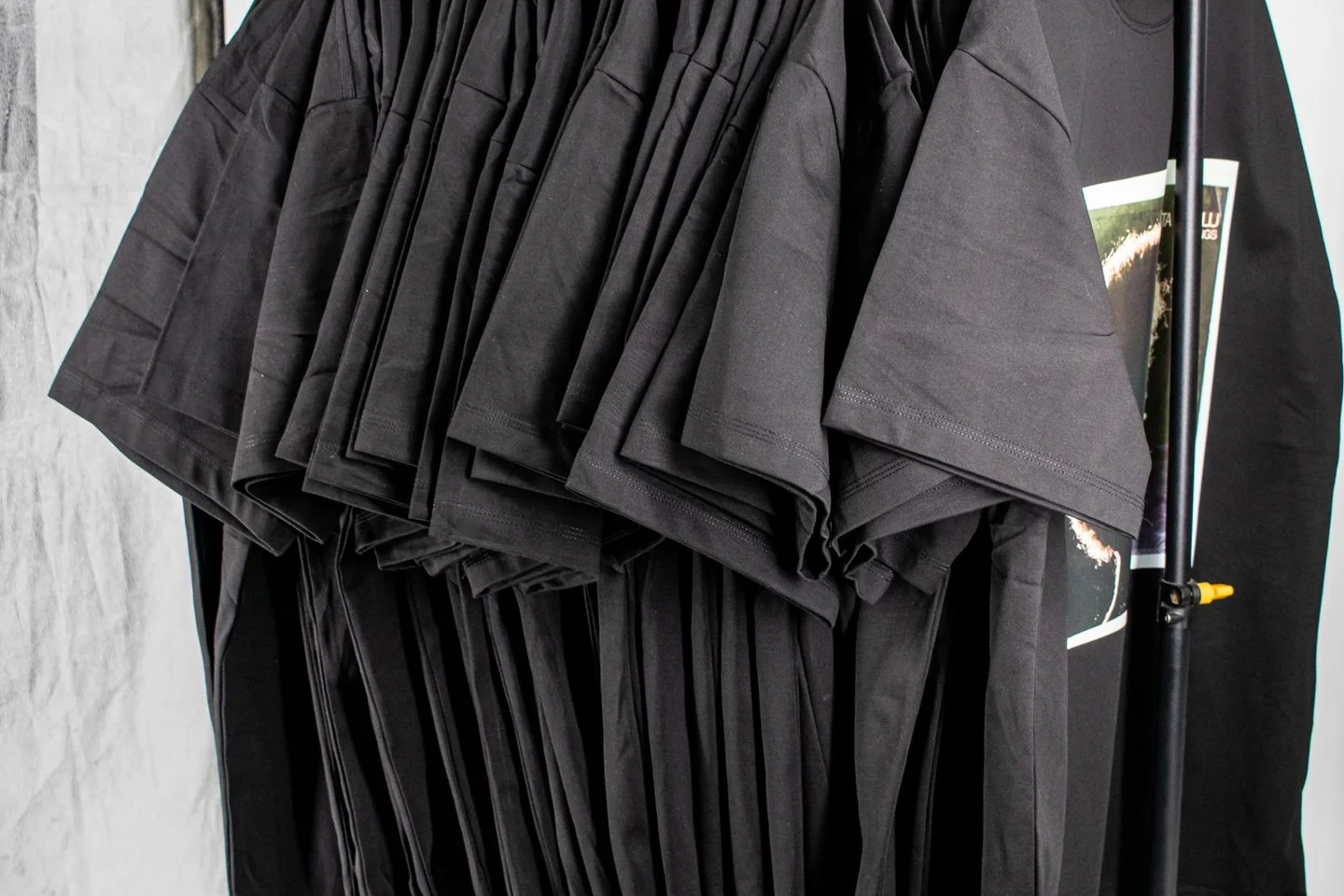
A customer asks whether a T-shirt bearing your brand that they saw on a marketplace is genuine. The listing uses a photo from your catalogue, the price is much lower than usual, and your sales team does not recognise the shop’s name. Before contacting the seller or asking the platform to remove the listing, save the page. If it disappears, it may be difficult to establish what was offered and which account was selling it.
On 11 November 2026, the European Anti-Fraud Office (OLAF) released the results of an international customs operation targeting counterfeit goods linked to the 2026 FIFA World Cup. OLAF reported that more than 2.1 million items had been seized, with an estimated value of around €132 million. It credited cooperation with online marketplaces with the removal of more than 419,000 listings and the closure of 3,300 online stores. The EFE news agency reported the figures the same day. The date of 11 November refers to the announcement. The sources reviewed do not specify when individual seizures or removals took place. [1, 2]
Save the listing and identify the seller
A screenshot cropped to show only the logo is of little use if no one can find the listing again. Keep the full URL, the listing ID if visible, the date and time of access, and a copy of the page showing the price, description, photographs and shipping terms. Save the shop’s profile and any company details it provides. If the listing changes, keep dated copies of each version. This lets you show which version you reviewed when you decided to report the product.
A single page may show several sellers. Record who is listed as the seller for the specific offer and who is responsible for shipping. The carrier’s name, the country the parcel ships from or a similar trading name are leads to verify. If the profile lists a legal name and registration number, check them against the relevant register where available. If other listings use the same photo, record any links you can observe. Different sellers may have taken the photo from the same catalogue.
What the photo shows and what arrives in the parcel
A catalogue photo and an unusually low price warrant a closer look. Focus on what you can document. To check the use of the images, compare the listing with the original material and establish who owns the rights to the photos and what permission they have granted. If you suspect a problem with the product, ask the relevant technical specialist which features can be compared with a genuine item. An unfamiliar seller may be reselling genuine goods. If the question concerns the legality of the resale or the use of the trademark, ask legal counsel to assess it before classifying the listing. [3]
If a test purchase could clarify the issue, agree with legal counsel in advance on how to make and document it. Keep the order confirmation, receipt, packaging, shipping label and product. Record who received the parcel and when. The comparison may require the model code, batch number and details such as labels, packaging or finishes. If the only difference appears in a low-resolution photo, record that limitation.
Give the platform enough information to review your report
Use the platform’s intellectual property reporting channel and follow the form requirements. Identify the right you are asserting, for example by providing the trademark registration number. Include a link to the listing and explain the specific reason for reporting it. Keep the acknowledgement and the outcome. If a similar listing reappears, the record helps distinguish a new listing from the same account from an offer by another seller. If recurring shipments from outside the EU emerge, the rights holder can also discuss with legal counsel whether to apply for customs action on goods suspected of infringing its rights. [3, 4]
GRISK can help businesses document suspicious listings and verify sellers’ commercial identities through lawful sources.
Sources and editorial note
The opening example is hypothetical. The figures come from OLAF’s 11 November announcement, as reported by EFE. The steps for gathering evidence, making comparisons and submitting reports are practical guidance from the editorial team. The official guides describe platform reporting channels and customs action.
- European Anti-Fraud Office (OLAF), “JCO WorldCup26: Over €132 million worth of counterfeit goods seized in OLAF-coordinated operation linked to the World Cup 2026”, 11 November 2026. https://anti-fraud.ec.europa.eu/media-corner/news/jco-worldcup26-over-eur132-million-worth-counterfeit-goods-seized-olaf-coordinated-operation-linked-2026-11-11_en
- EFE via SWI swissinfo.ch, “Incautados 2 millones de artículos falsos del Mundial de fútbol en operación internacional”, 11 November 2026. https://www.swissinfo.ch/spa/incautados-2-millones-de-art%C3%ADculos-falsos-del-mundial-de-f%C3%BAtbol-en-operaci%C3%B3n-internacional/92363100
- European IP Helpdesk, “Enforcement of intellectual property rights on e-commerce platforms”, 14 June 2024. https://intellectual-property-helpdesk.ec.europa.eu/news-events/news/enforcement-intellectual-property-rights-e-commerce-platforms-2024-06-14_en
- European Commission, “Defend your rights”, accessed 12 November 2026. https://taxation-customs.ec.europa.eu/customs/prohibitions-restrictions/counterfeit-piracy-other-ipr-violations/defend-your-rights_en