
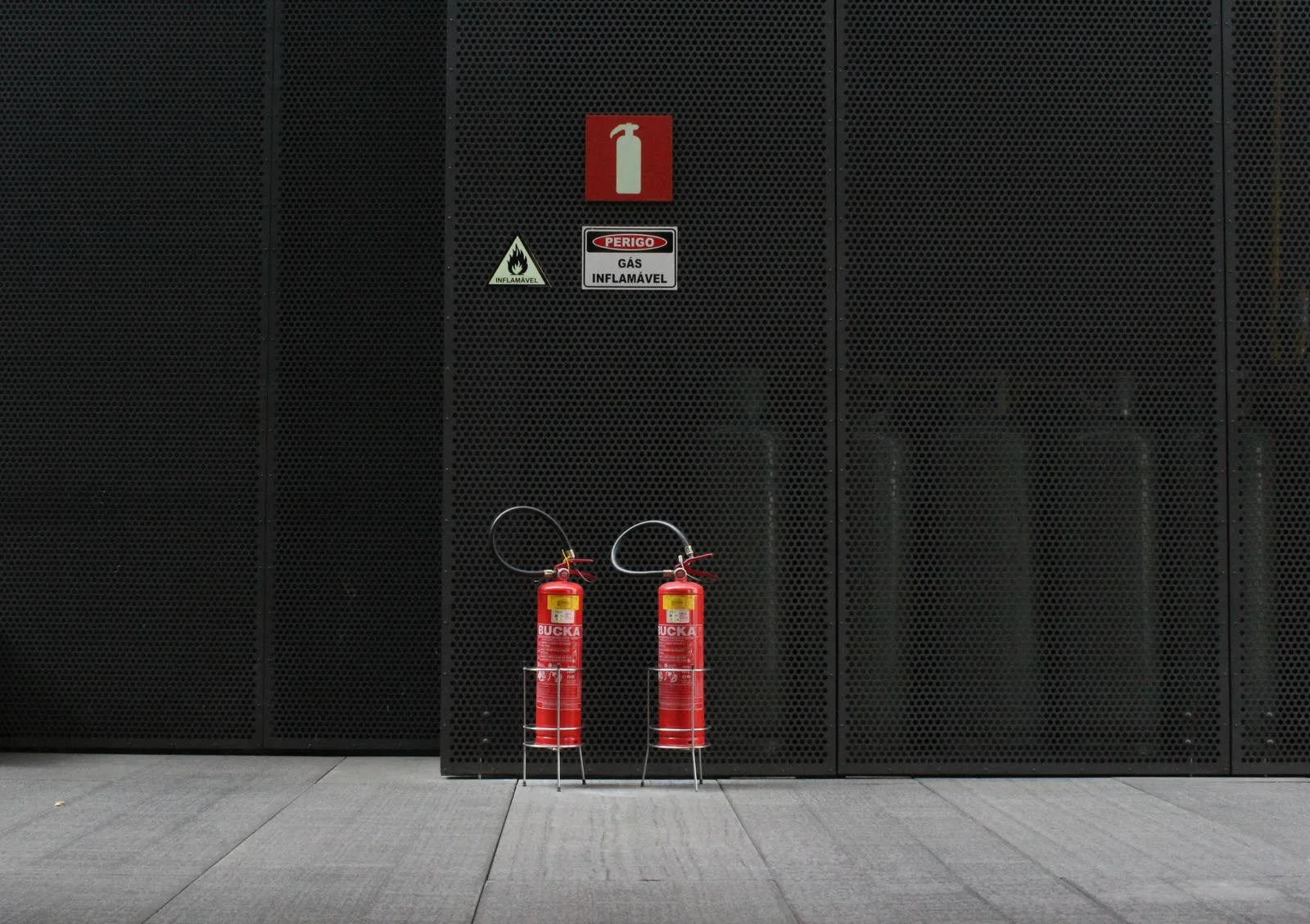
The supplier invoiced 100 fire extinguishers for three sites. The product codes and price match the order, but the central warehouse has recorded only 60. The other 40 may have been delivered directly to the branches. Before approving the invoice, accounts payable needs to establish who received them, where and in what quantities.
On 12 November 2026, Italy’s financial police in Brescia (Guardia di Finanza) released a statement on the execution of a preventive seizure of more than €5 million involving 12 people under investigation. The inquiry concerns trade in workplace safety and fire protection equipment. According to investigators, some companies with no substantive operations or assets allegedly issued invoices for transactions that never took place, amounting to about €43 million including VAT. Giornale di Brescia and Il Giorno reported the news that day. The date of 12 November refers to the release of the news. The sources consulted do not specify the exact date the seizure was carried out. The case is at the preliminary investigation stage, and liability remains to be established. [1–3]
Trace the delivery through the people who received it
Take an invoice line and trace it back to the purchase order, the delivery document and the goods receipt record. Compare the product code, quantity, date and delivery location. If an invoice covers several shipments, match each quantity to the relevant document and check whether that document has already been used to support another invoice. If any goods were returned, check how the returns were recorded and whether the supplier issued the expected credit notes.
When goods are delivered directly to a branch or worksite, contact the person responsible for receiving them using your internal contact details. Ask what arrived and when, then compare their response with the goods receipt log or acceptance record, where available. In the example of the 100 fire extinguishers, a general reply such as “the goods arrived” leaves 40 units unaccounted for. Confirming the quantity at each site helps establish whether the discrepancy is due to a delay in recording the goods, a partial delivery or an item that still needs to be checked.
Understand how the supplier operates
For a new Italian supplier, a company register extract can confirm its registered business activity, offices and local establishments. To understand how the order will be fulfilled, ask where the goods will ship from and who will handle the shipment. A distributor may use the manufacturer’s warehouse or a logistics provider. In that case, ask how the sender and shipment will be identified so that the receiving team can match the delivery to the right order even if another company appears on the paperwork. [4]
Look more closely if explanations change from one delivery to the next, if the named recipient does not recognise the shipment, or if multiple invoices cite a single delivery with quantities that cannot be reconciled. An isolated discrepancy may be a recording error. If it recurs, check a sample of earlier invoices from the same supplier and involve both purchasing and the receiving team. Each team can confirm different steps in the same transaction.
If the discrepancy remains unresolved
Record the quantity supported by the documents, the quantity still to be verified and the evidence requested. If payment is due soon, pass the records to the person who can decide, under the contract and internal procedures, whether to dispute the invoice or defer approval. If payment has already been made, retain the original documents, inventory records and correspondence with the supplier. A timeline showing who approved the payment and on what evidence helps identify where the verification stopped and gives legal counsel or a tax adviser a basis for reviewing the case.
GRISK can help businesses verify a supplier’s operations and use documentary evidence to establish how purchase orders, deliveries and invoices correspond.
Sources and editorial note
The example involving 100 fire extinguishers is hypothetical. The figures and the status of the proceedings come from the Guardia di Finanza statement and news coverage. The checks on suppliers and deliveries are practical guidance from the editorial team.
- Guardia di Finanza, Comando provinciale di Brescia, «Frode fiscale nel settore del commercio di materiale antinfortunistico e antincendio», statement reproduced by Agenzia giornalistica Opinione, 12 November 2026. https://www.agenziagiornalisticaopinione.it/opinionmix/gdf-guardia-di-finanza-frode-fiscale-nel-settore-del-commercio-di-materiale-antinfortunistico-e-antincendio-sequestro-preventivo-per-5-milioni-di-euro/
- Simone Bracchi, Giornale di Brescia, «Fatture false per 43 milioni e riciclaggio all’estero: sequestro da 5 milioni», 12 November 2026. https://www.giornaledibrescia.it/cronaca/fatture-false-per-43-milioni-riciclaggio-estero-sequestro-da-5-milioni-y2jxakav
- Il Giorno, «Brescia, società cartiere per evadere il Fisco: dodici indagati e 5 milioni sequestrati», 12 November 2026. https://www.ilgiorno.it/brescia/cronaca/societa-cartiere-evadere-fisco-manh4afv
- Registro Imprese, «Visura camerale ordinaria e storica e certificato», accessed on 13 November 2026. https://www.registroimprese.it/visura-camerale-ordinaria-storica-e-certificato