
A shipment is ready, transport has been arranged and the intermediary sends the required certificates. The letterhead looks professional, the website works and the contacts respond. Before treating these documents as confirmation, however, one question needs to be resolved: does that organisation actually have the authority to issue that document, for that vessel and on that date?
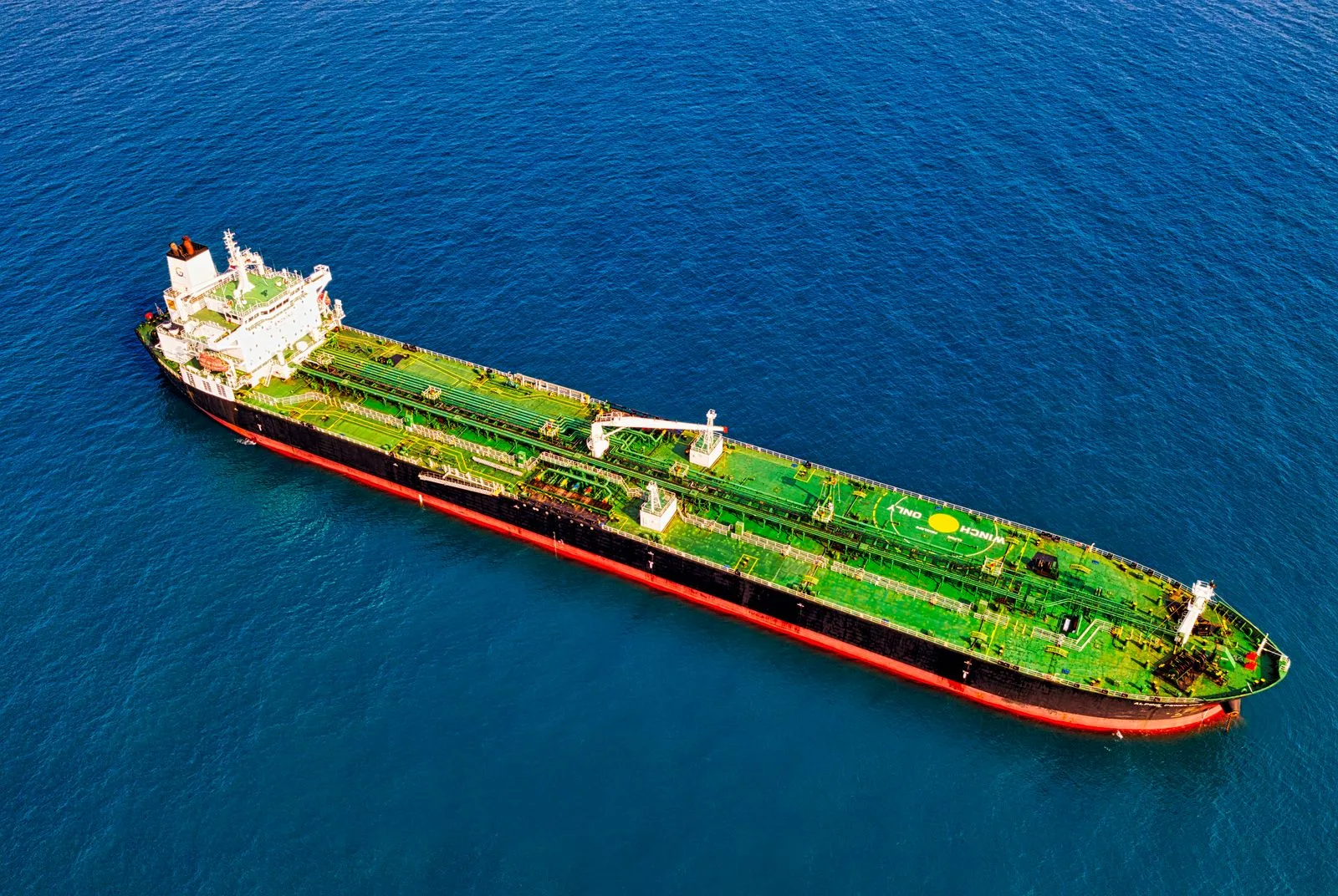
On 4 November 2026, the US Treasury Department announced sanctions against an India-based network accused of providing false flags and certifications to vessels involved in transporting Iranian oil. Reuters reported the measures on the same day. The descriptions of how the network operated come from US authorities: a sanctions announcement should not be presented as a criminal judgment. [1][2]
An OFAC advisory published on 4 November adds a relevant detail: some relationships with flag administrations were reportedly legitimate initially, but services allegedly continued after authorisation was revoked. The news is therefore recent; it does not necessarily describe activities that began yesterday. For someone making a decision today, an authorisation that was valid in the past still leaves the present position to be checked. [1]
The website and stamp do not establish the mandate
The International Maritime Organization distinguishes fraudulent registration of a vessel from the activities of a registry that presents itself as a State’s representative without authorisation. It also highlights authentic-looking websites and cases in which a vessel continues to use a flag after its registration has ended. The problem may therefore concern both the issuer and the document’s current validity. [3]
For a business purchasing goods abroad or arranging transport, the operational implication is specific: the file received from the intermediary must be verifiable outside that intermediary’s own channels. Asking the same contact for a second certificate may add paperwork without adding independent confirmation.
Record the issuer’s exact name, the authority it claims to represent, the type of service, the document number, its issue date and expiry. For a vessel, the reference should include the IMO number to reduce ambiguity arising from names. Then seek confirmation of the authorisation and its scope through institutional channels found independently: registration, certification and other services are not interchangeable mandates.
The useful question concerns a specific document
A general request — “is this company reliable?” — risks receiving an equally general answer. It is more useful to ask whether the entity was authorised to issue that type of attestation on the stated date and whether the document matches the vessel’s identifier. The IMO makes States’ communications on fraudulent registries available and identifies tools for consulting registry information and contacts. These are checks to combine, rather than an automatic guarantee covering the entire transaction. [3][4]
A verification link printed on a certificate also requires care: it could lead back to the same website that produced it. It is better to reach the official channel first and locate the relevant service or contact from there. If confirmation does not arrive, retain the request and record the point as unresolved; silence establishes neither authenticity nor falsification.
Address the discrepancy before making a commitment
The OFAC advisory identifies unverifiable flag documents and inconsistencies between a declared flag and the identifiers transmitted by a vessel among the indicators warranting investigation. These are grounds for further checks, rather than isolated proof of wrongdoing. Assessing applicable sanctions also requires consideration of the parties, transaction and jurisdictions involved: a US measure should not automatically be translated into an identical prohibition for every Italian business. [1]
Within the business, establish before booking who will resolve discrepancies: procurement, logistics, the insurer, legal counsel or another competent specialist. If an inconsistency emerges, the decision on a new payment or confirmation of transport should be reconsidered by the responsible person, with the reasons documented. An urgent departure does not replace verification.
The final file should allow a colleague to reconstruct what was checked: the original document, official source consulted, date, response received and resulting decision. This method is also useful beyond maritime transport when a counterparty presents licences or attestations: before relying on the document, verify the authority of the party that issued it.
GRISK can support the verification of foreign counterparties and their corporate connections, gathering documentary evidence when an intermediary’s identity or claimed role requires investigation.
Sources and editorial note
The sanctions and OFAC advisory are dated 4 November 2026; the conduct described by the authorities predates that announcement and is not presented as a new incident occurring that day. Reuters corroborates the announcement without independently verifying every activity of the network. The guidance on organising checks reflects the article’s operational assessments; it is not an opinion on the applicability of sanctions to a specific case.
- OFAC, “Iranian Shadow Fleet Reliance on False Flags for Sanctions Evasion”, 4 November 2026. Official advisory, primary source.
OFAC advisory - Andrea Shalal, Reuters, “US slaps sanctions on Indian, Turkish firms and people for aiding Iran”, 4 November 2026, 18:03 UTC.
Reuters report - IMO, “Fraudulent registration and fraudulent registries of ships”, update date not stated; consulted on 5 November 2026. Primary methodological source.
Fraudulent registration and registries - IMO, “Registration of ships and fraudulent registration matters”, update date not stated; consulted on 5 November 2026. Primary methodological source.
Registration of ships